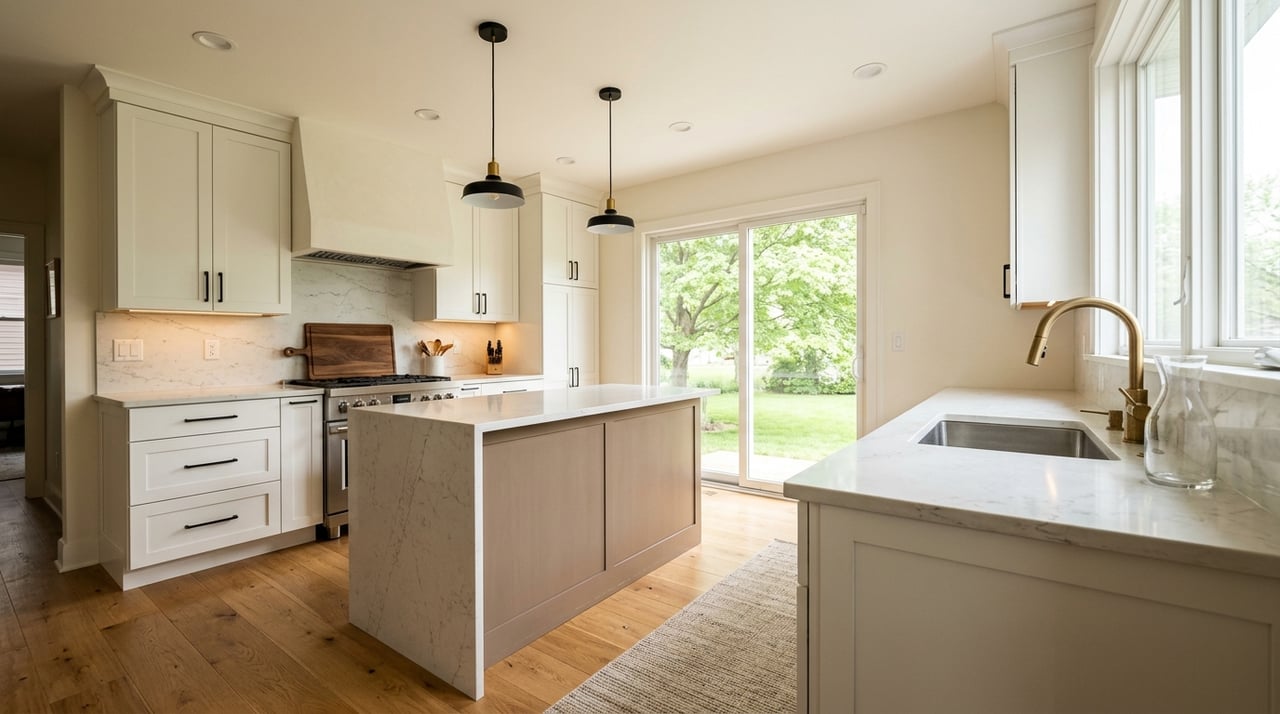
If you are getting ready to sell, it is easy to wonder how much prep really matters in a market like Cedar Rapids. The good news is that homes here are still moving, but buyers are paying close attention to price, condition, and presentation. When you prepare your home thoughtfully before it hits the market, you give yourself a better chance to protect your asking price and avoid a listing that sits. Let’s dive in.
Why preparation matters in Cedar Rapids
Cedar Rapids remains a solid market for sellers, but it is not a market where you can skip the basics. Recent local data shows homes selling in the low-to-mid $200,000 range, with time on market running about 20 to 44 days depending on the source and timeframe.
That tells you something important. Buyers are active, but they still compare options carefully. If your home is clean, well presented, and priced competitively, you are in a much better position to attract strong interest early.
Focus on the prep that matters most
When sellers think about getting ready, they often picture expensive renovations. In most cases, that is not the smartest first move. The better strategy is to focus on the visible details that help buyers feel comfortable and confident.
According to the 2025 staging data from the National Association of Realtors, the most commonly recommended steps were decluttering, cleaning the entire home, and improving curb appeal. Those steps may sound simple, but they often make the biggest difference.
Start with decluttering
Decluttering helps your home feel larger, calmer, and easier to picture as someone else’s future space. It also makes photos look better, which matters because many buyers decide whether to visit a home based on the listing images.
Go room by room and remove extra furniture, personal items, overflowing storage, and anything that makes the home feel busy. You do not need to erase all personality, but you do want buyers to notice the home itself rather than your belongings.
Deep clean every surface
A clean home sends a strong message that the property has been cared for. Pay close attention to kitchens, bathrooms, floors, baseboards, windows, light fixtures, and high-touch areas.
If cleaning feels overwhelming, this is one area where professional help can be worth it. A home that looks fresh and move-in ready can make buyers more comfortable from the start.
Improve curb appeal
First impressions begin before a buyer walks through the door. Tidy landscaping, a swept entry, trimmed shrubs, and a clean front door can all help your home feel more welcoming.
Before photos and showings, check the small details outside. Put away hoses, clear porch clutter, touch up peeling paint if needed, and make sure the entry reads well from the street.
Prioritize the rooms buyers notice first
Not every room needs the same level of effort. If you are trying to decide where to spend your time and budget, start with the living room, primary bedroom, and kitchen.
Those are the rooms staging experts consistently rank as the most important. They also tend to stand out the most in listing photos, which makes them central to your pre-listing plan.
Living room
Your living room should feel open, comfortable, and easy to understand. Rearrange furniture if needed so the room has a clear path and the layout feels natural.
Remove extra pieces that crowd the space. Add simple finishing touches only if they support a clean, balanced look.
Primary bedroom
The primary bedroom should feel restful and uncluttered. Clear off dressers and nightstands, simplify bedding, and reduce anything that makes the room feel overly personal or visually noisy.
Storage matters here too. Buyers often look inside closets, so keeping them neat can help the home feel more functional.
Kitchen
The kitchen does a lot of heavy lifting during a sale. Clear counters, clean appliances, wipe down cabinets, and remove anything that distracts from workspace and storage.
You do not need a full remodel to make a kitchen show better. In many cases, a clean, bright, well-styled kitchen has more impact than a costly upgrade you may not fully recoup.
Choose cosmetic fixes over major remodels
If you are deciding between a big renovation and a handful of smaller improvements, smaller usually wins. In a market where homes often sell close to asking, your goal is to strengthen presentation and reduce buyer objections, not overbuild for the neighborhood.
Visible cosmetic fixes tend to deliver the most practical value. Think fresh touch-up paint where needed, repairing obvious wear, replacing broken hardware, fixing loose trim, and handling anything that looks neglected.
What buyers notice most
Buyers often respond quickly to flaws that suggest extra work after closing. A dripping faucet, damaged wall, missing light bulb, or scuffed entry can seem minor, but together they can affect how your home feels.
Take care of the simple issues first. Those details support the overall impression that the home has been maintained and is ready for the market.
Price strategy still matters
Preparation is only half the equation. Even a beautifully prepared home can lose momentum if it is priced too high from the start.
In Cedar Rapids, homes are generally selling close to asking price, which is encouraging for sellers. At the same time, pricing still needs to reflect comparable sales and current competition.
The National Association of Realtors advises sellers to price against comps and competing listings, and notes that homes priced more than 3 percent above the right price tend to take longer to sell. It also advises sellers to consider a price reduction if a home has been on the market for more than 30 days without an offer.
The goal is early traction
The first days on market are often your best chance to create urgency and gather meaningful feedback. A strong launch with the right price and polished presentation can help you avoid the stale-listing effect.
That is where candid local guidance matters. Thoughtful pricing is not about guessing high and hoping. It is about positioning your home well enough to attract serious buyers while protecting your bottom line.
Handle disclosures early
In Iowa, seller disclosures are not something to leave until the last minute. State law requires a written disclosure statement for most residential transfers before the seller makes or accepts a written offer.
If that disclosure arrives late, the buyer may have a limited window to withdraw. The disclosure also needs to be made in good faith and updated if it becomes inaccurate or misleading.
Gather documents before listing
A smooth listing process starts with organization. Before your home goes live, gather repair invoices, permit history, warranties, utility details, and any specialist reports you may already have.
Iowa disclosure requirements cover the property’s condition and important characteristics, including major systems and certain known issues. Having your information together early helps reduce stress and supports a more confident sale.
Consider a pre-listing radon test
Radon deserves special attention in Iowa. The EPA identifies all of Iowa as Radon Zone One and recommends that all homes be tested.
Because radon cannot be seen or smelled, it can come up unexpectedly during a buyer’s inspection process. If your home has a basement or below-grade space, testing before listing can help you avoid surprises and prepare for buyer questions.
Know the EPA action level
The EPA recommends fixing a home if radon levels are 4 pCi/L or higher. If you test before listing, you have more control over timing and next steps than you would if the issue comes up later under contract.
That does not mean every seller needs to panic. It simply means testing is a sensible part of pre-listing due diligence in Cedar Rapids.
Coordinate repairs and permits early
If your prep plan includes more than cosmetic work, start early. Cedar Rapids has an active permit and inspection system for residential work, including areas such as electrical, plumbing, mechanical, framing, and footing inspections.
That makes timing important. If you are planning system work or anything structural, verify permit needs before the project begins so you do not create avoidable issues during the sale.
Why timing matters
Buyers may ask questions about recent repairs or updates, especially if those updates affect major systems. When your paperwork is clear and your work is properly coordinated, it can help the transaction move forward with fewer complications.
This is another reason to avoid waiting until the last minute. The earlier you line up vendors and confirm the scope of work, the smoother your launch can be.
A simple pre-listing timeline
A clear sequence can make the process feel much more manageable. Instead of doing everything at once, break your prep into stages.
Before the final two weeks
Use this time for planning and decision-making.
- Review pricing strategy based on comparable sales and current competition
- Gather disclosures, repair records, and permit information
- Schedule vendors for repairs, maintenance, cleaning, or testing
- Decide which cosmetic fixes are worth doing before listing
Two or more weeks before showings
This is when the home should become market-ready.
- Complete repairs
- Deep clean the property
- Remove clutter and extra furnishings
- Tidy outdoor spaces and improve curb appeal
Just before photos
This is the final presentation stage.
- Style the living room, primary bedroom, and kitchen
- Clear counters and visible surfaces
- Double-check lighting, window treatments, and beds
- Make sure the front entry and exterior look polished on camera
Right before going live
Keep the home consistent and easy to show.
- Review final disclosure details
- Confirm all touch-ups are done
- Keep the home clean and photo-ready
- Be prepared to respond quickly once showings begin
Confidence comes from a plan
Selling with confidence does not mean guessing your way through the process. It means knowing which improvements matter, handling paperwork early, and launching with a strategy that fits the Cedar Rapids market.
With the right preparation, you can make your home stand out for the right reasons. Clean presentation, smart pricing, solid documentation, and early problem-solving all help create a smoother path from listing to closing.
If you are thinking about selling in Cedar Rapids or anywhere in the Corridor, Cory Rath can help you build a thoughtful plan, coordinate preparation, and position your home for a strong market debut.
FAQs
What should sellers in Cedar Rapids do before listing a home?
- Start with decluttering, deep cleaning, curb appeal, pricing research, and early disclosure preparation. Focus extra attention on the living room, primary bedroom, and kitchen.
How much home prep is enough before selling in Cedar Rapids?
- In most cases, enough means your home is clean, uncluttered, well maintained, and ready for photos and showings. You usually do not need to remodel the whole house.
Should Cedar Rapids sellers do major renovations before listing?
- Usually, visible cosmetic fixes and strong presentation make more sense than major renovations. Smaller improvements often do more to support buyer interest and protect price.
Do sellers in Iowa need to complete disclosures before accepting an offer?
- Yes. Iowa law requires a written disclosure statement for most residential transfers before the seller makes or accepts a written offer.
Should Cedar Rapids sellers test for radon before listing?
- Testing is a sensible step because all of Iowa is in Radon Zone One, and the EPA recommends that all homes be tested.
How quickly do homes sell in Cedar Rapids right now?
- Recent data suggests many Cedar Rapids homes are selling in roughly 20 to 44 days, depending on the source, geography, and reporting period.